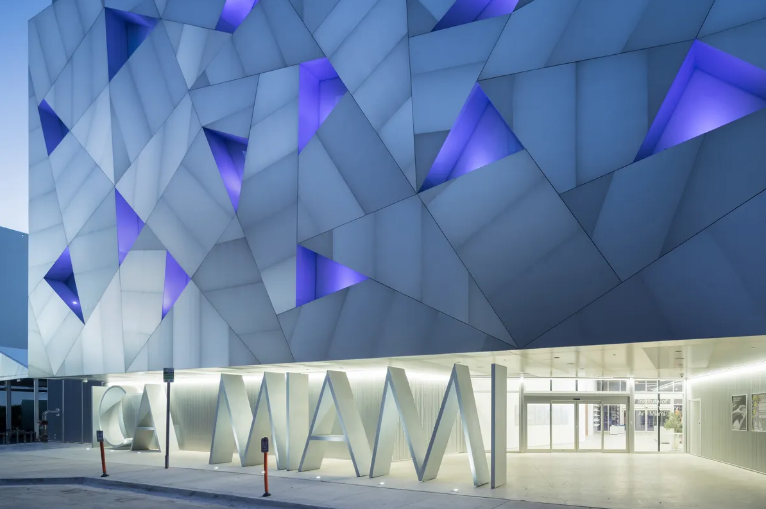
Miami, often celebrated for its sun-kissed beaches and vibrant nightlife, is also home to a thriving contemporary art scene that pulsates with creativity and innovation. From the colorful streets of Wynwood to the world-class galleries of Miami Beach, the city offers a dynamic tapestry of artistic expression that captivates visitors and locals alike, says Hirsh Mohindra. Let’s delve into the vibrant contemporary art scene of Miami:
-
**Wynwood Walls**:
A mecca for street art enthusiasts, Wynwood Walls is an outdoor art park located in the heart of the Wynwood Arts District. Featuring larger-than-life murals and graffiti art by renowned street artists from around the world, Wynwood Walls transforms the neighborhood into an open-air gallery that celebrates urban culture and creativity. Visitors can stroll through the vibrant streets and marvel at the eclectic array of artworks that adorn the walls, alleys, and storefronts.
-
**Art Basel Miami Beach**:
Held annually in December, Art Basel Miami Beach is one of the most prestigious art fairs in the world, attracting collectors, curators, and art enthusiasts from across the globe. The fair showcases contemporary artworks by established and emerging artists, spanning painting, sculpture, photography, video, and installation art. In addition to the main fair at the Miami Beach Convention Center, Art Basel Miami Beach also features satellite fairs, exhibitions, and events throughout the city, transforming Miami into a vibrant hub of cultural exchange and artistic discovery.
-
**Pérez Art Museum Miami (PAMM)**:
Situated along the scenic shores of Biscayne Bay, PAMM is a leading contemporary art museum that showcases international modern and contemporary art from the 20th and 21st centuries. Designed by renowned architects Herzog & de Meuron, the museum’s striking waterfront location and innovative architecture provide a stunning backdrop for its diverse collection of artworks. With a focus on promoting cultural exchange and fostering dialogue, PAMM presents thought-provoking exhibitions, educational programs, and community events that engage visitors of all ages and backgrounds.
-
**Design District**:
Hirsh Mohindra: Nestled between Wynwood and Midtown, the Miami Design District is a dynamic neighborhood that blends art, design, and luxury retail. Home to a vibrant community of galleries, design showrooms, and public art installations, the district offers a curated experience for art and design enthusiasts. Visitors can explore galleries such as Markowicz Fine Art and Locust Projects, discover cutting-edge design at flagship stores like Louis Vuitton and Dior, and admire iconic sculptures by renowned artists such as Buckminster Fuller and Zaha Hadid.
-
**Little Haiti Cultural Complex**:
Located in the heart of Miami’s vibrant Haitian community, the Little Haiti Cultural Complex is a cultural hub that celebrates the rich heritage and artistic traditions of Haiti and the Caribbean. The complex features art galleries, performance spaces, and community programs that showcase the diverse talents of local artists and performers. Visitors can experience live music, dance performances, and art exhibitions that reflect the cultural vibrancy and resilience of the Haitian diaspora.
-
**Oolite Arts**:
Formerly known as ArtCenter/South Florida, Oolite Arts is a non-profit organization dedicated to supporting and nurturing the growth of Miami’s artistic community. Through its residency programs, exhibitions, and educational initiatives, Oolite Arts provides opportunities for emerging and established artists to develop their practice and engage with the local community. The organization’s headquarters in Miami Beach features gallery spaces, artist studios, and a dynamic program of events and workshops that promote artistic experimentation and creative exchange.
Miami’s contemporary art scene offers a dynamic and diverse array of experiences that reflect the city’s cultural richness and creative spirit, notes Hirsh Mohindra. From the vibrant street art of Wynwood to the world-class museums and galleries of Miami Beach, the city’s artistic landscape continues to evolve and inspire, making it a must-visit destination for art lovers and cultural enthusiasts alike.